
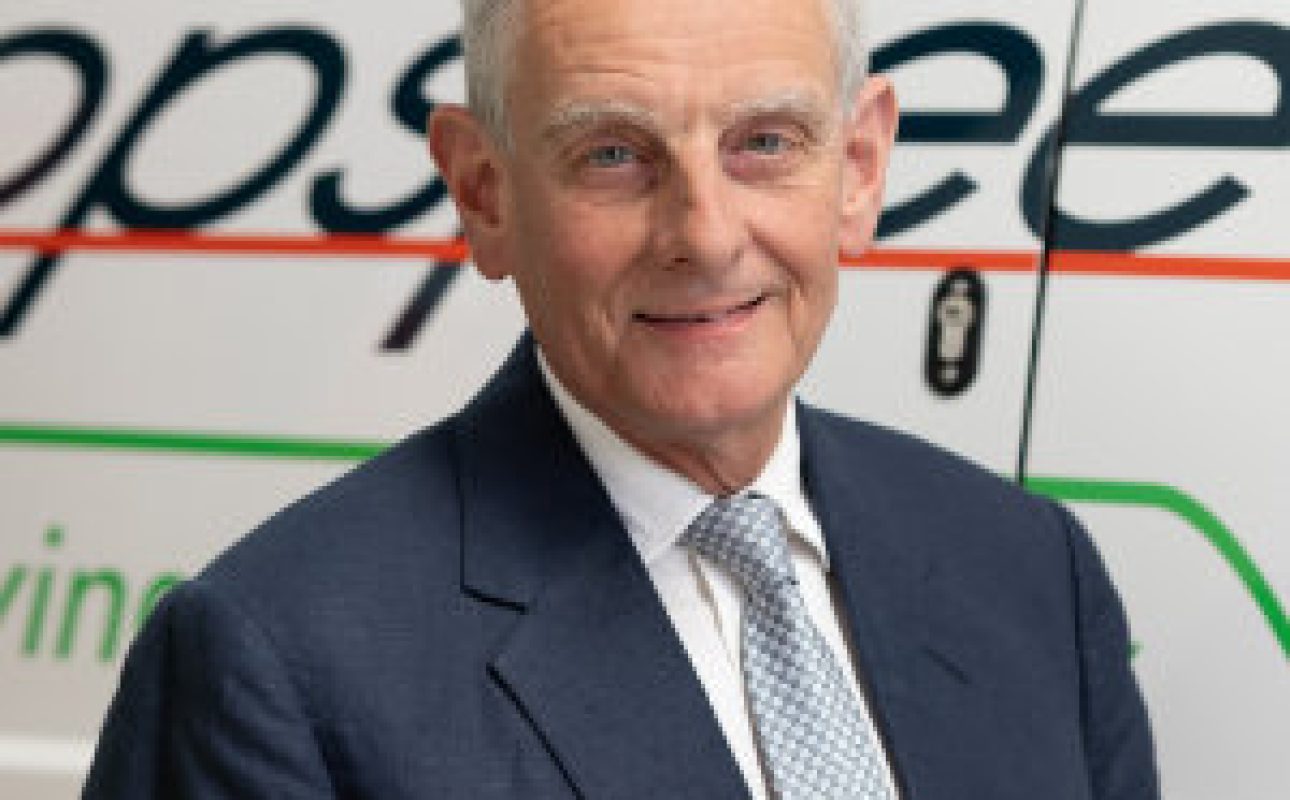
By Stephen Clegg, CEO, Topspeed
At Topspeed, sustainability hasn’t been a marketing slogan or a box‑ticking exercise. It has been a deliberate, long‑term commitment built into how we operate, invest and serve our customers. Our green journey is rooted in practical action, not promises, and our fleet tells that story clearly.
That commitment has recently been recognised at the highest level, with Topspeed being awarded the King’s Award for Enterprise in Sustainable Development 2026, one of the UK’s most prestigious honours for business achievement.
Today, 90% of our company‑owned fleet is electric, and 83% of our monthly mileage is completed using electric vehicles. That didn’t happen overnight, and it certainly didn’t happen by accident. It happened because we made a conscious decision to challenge the assumption that electric fleets are “too expensive” or “not operationally viable” for transport and courier businesses.
Challenging the Myths Around Electric Fleets
We’ve often heard transport companies say that converting to an electric fleet isn’t feasible, citing vehicle costs, charging infrastructure, or concerns around reliability and range. Those concerns are understandable, particularly in a sector that depends on speed, consistency and trust.
But our experience tells a different story.
Yes, there is an upfront investment, and it hasn’t been an easy process. But when electric fleets are planned properly, deployed intelligently and supported by the right infrastructure, they are not only viable, but they are also commercially sound. They future‑proof operations, reduce exposure to volatile fuel markets, and support customers who are rightly demanding more environmentally responsible supply chains.
Cost Stability in an Unstable World
In recent months, diesel fuel costs have rocketed following ongoing conflict in the Middle East.
As a result, many organisations have had no choice but to pass those increases on to customers through fuel surcharges. That volatility creates uncertainty for businesses trying to plan budgets and manage margins.
Earlier this year, our team finalised negotiations to secure reduced rates on our electric charging costs. That decision has given us greater long‑term cost stability and has helped protect our customers from sudden and unpredictable price rises.
Electric vehicles don’t just lower emissions, they reduce dependency on fossil fuels and insulate operations from geopolitical shocks that are entirely outside our control.
Sustainability That Works for Customers
Driving sustainability must work in the real world. For us, that means ensuring our electric fleet delivers the same reliability, responsiveness and performance our customers expect from Topspeed.
Our transition has allowed us to:
- Maintain service consistency while significantly reducing emissions
- Minimise fuel‑related surcharges during periods of diesel price inflation
- Support customers with their own ESG and sustainability commitments
- Demonstrate that greener logistics does not mean compromised service
This is what responsible transport leadership looks like, not reactionary moves, but steady progress backed by evidence and experience.
A Journey, not a Destination
We don’t claim to have all the answers, and we’re clear that sustainability is a journey.
Technology continues to evolve, infrastructure is improving, and there will always be new challenges to navigate. But doing nothing is no longer an option.
At Topspeed, we believe leadership in our sector means acting early, investing wisely and sharing what we learn along the way. Our electric fleet is proof that meaningful change is possible, and that it benefits businesses, customers and the environment alike.
As expectations around sustainability continue to rise, those who act now will be better placed to adapt, compete and grow in the years ahead. For us, the direction of travel is clear, and it’s electric.